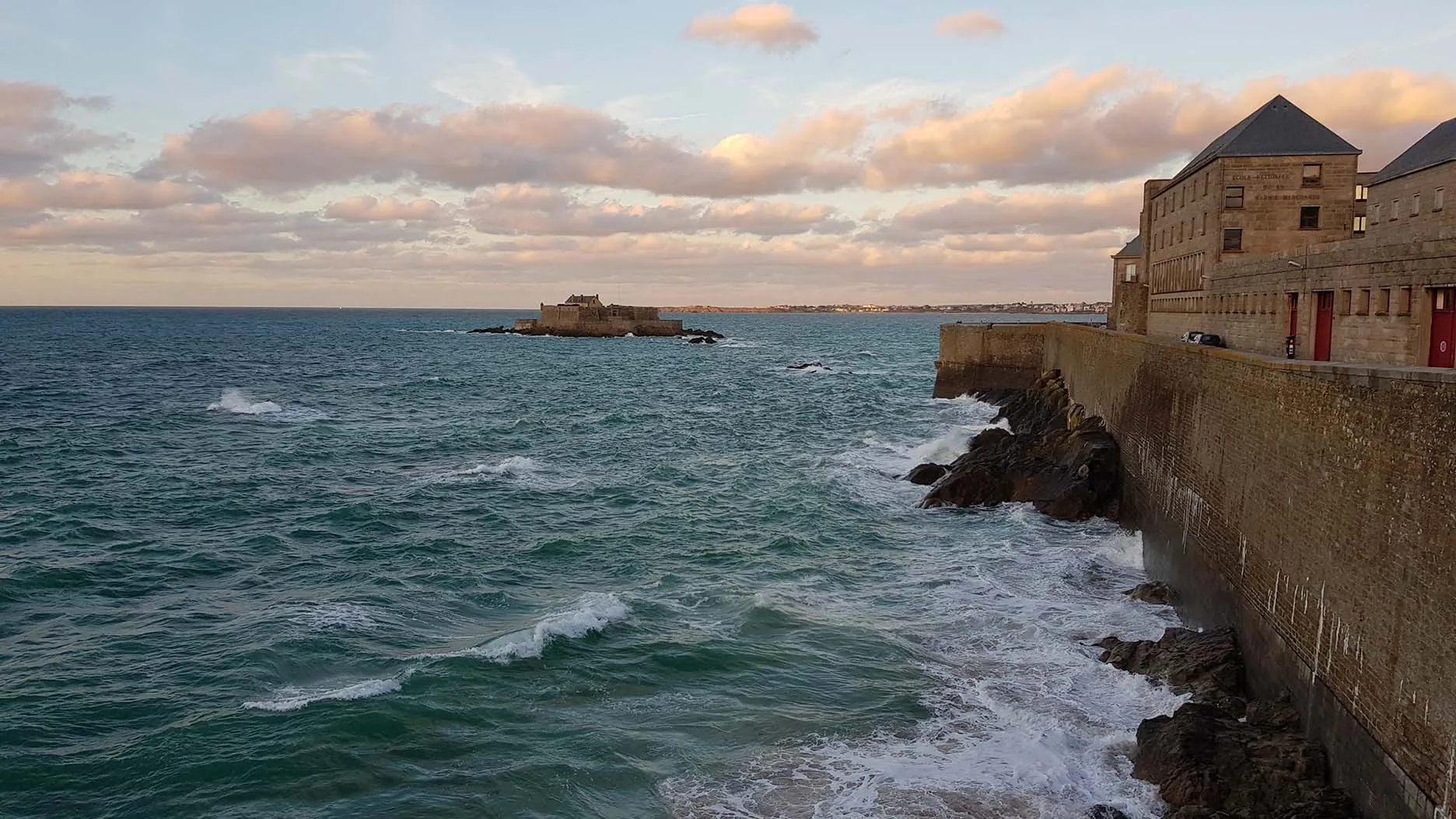
The high tides in Saint-Malo are a truly exceptional phenomenon. In fact, Saint-Malo is the stage for the highest tides in Europe!
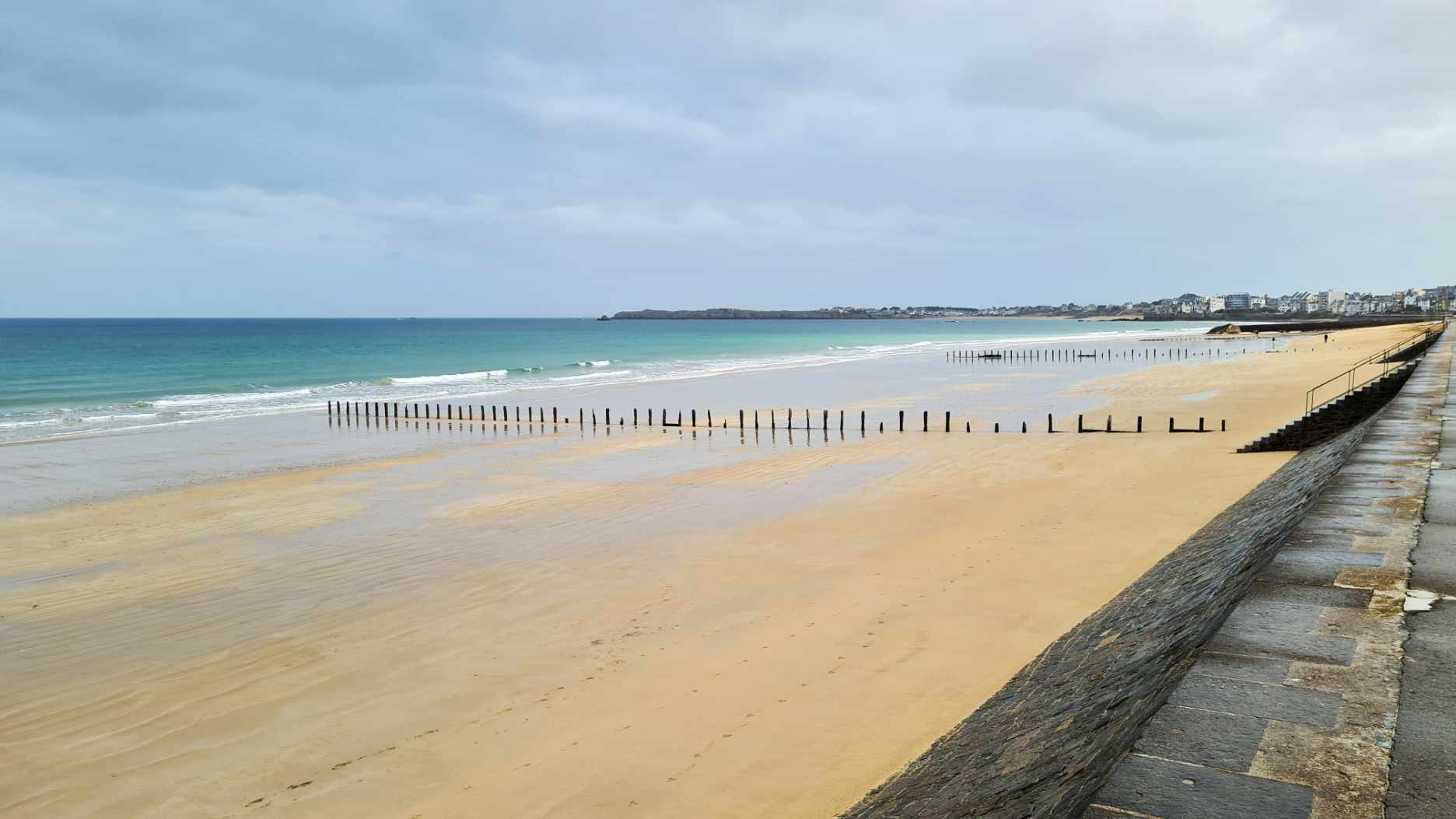
During the highest coefficients, miles of beaches appear and disappear. In the morning, you can be in the water in less than 10 seconds, whereas in the evening you have to walk hundreds of yards to reach the sea.
So how does it work? What can you do in Saint-Malo depending on the tide level? And how can you find out when the next high tides will occur? I’ll tell you everything!
- High tides in Saint-Malo: explaining the phenomenon
- The most beautiful tides to observe: equinox tides
- What to do at high tide?
- What to do at low tide?
- 2026 Spring Tides Calendar in Saint-Malo
What are high tides in Saint-Malo?
Let’s start with the basics: a tide is characterized by the rising and falling movement of the sea level. This variation in sea level is caused by the gravitational force between the moon, the sun, and the Earth.
Approximately every 6 hours, meaning twice a day, the sea rises, remains still for about twenty minutes, and then goes back down. It stays still for another twenty minutes before rising again… and so on.
As I mentioned earlier, the tidal range varies depending on the positioning of the moon and the sun relative to the Earth. When the three celestial bodies are aligned on the same axis, the tides are more significant. Therefore, there is a spring tide at every new and full moon. Consequently, as you might have guessed, the attraction is weaker during the first and last quarters of the moon, a period known as “neap tide.”
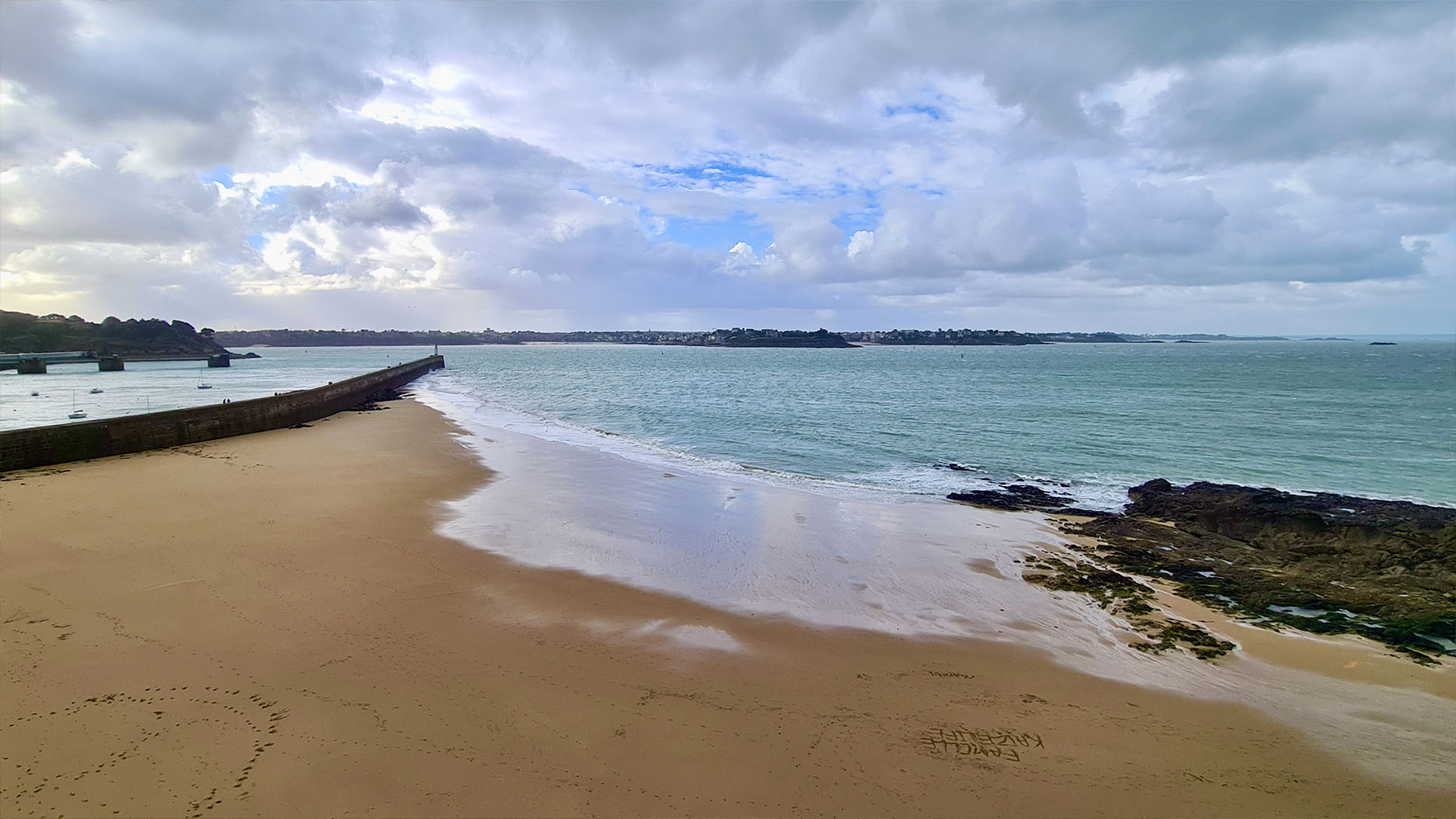
In Saint-Malo, the tidal range—the difference in sea level between high tide and low tide—can reach 14 meters (about 46 feet)! This is why it is said that the highest tides in Europe take place in the Bay of Saint-Malo.
But how can you know the height of the tides? Thanks to the coefficients!
Tidal Coefficients
To evaluate the magnitude of a tide, a coefficient is used. It is an indication of the tidal range on a scale from 20 to 120. The higher the coefficient, the higher the tide will be. From 90 onwards, we call it a “grande marée” or high tide!
However, it is important to note that coefficients do not indicate the exact water height. They also do not take weather conditions into account. For this reason, two tides with the same coefficient can have different heights. We aren’t talking about a difference between 12 and 14 meters, but the difference is notable nonetheless.
Also, if it’s a windy day during a high coefficient, the water level can be increased!
In short, coefficients are a good indication, but not the absolute truth!
Equinox Tides
Twice a year, in March and September, we have what are called equinox tides. These are particularly significant because their coefficients approach 120.
During equinox tides, the sea retreats very far. In Saint-Malo, you can see rocks appearing on the beach that you wouldn’t even know existed at a normal low tide. Conversely, at high tide, the sea rises so high that it hits the breakwaters along the Sillon beach.
To witness the spectacle of spring tides, note that the Mont Saint-Michel Bay is also an excellent spot!
The Tide of the Century
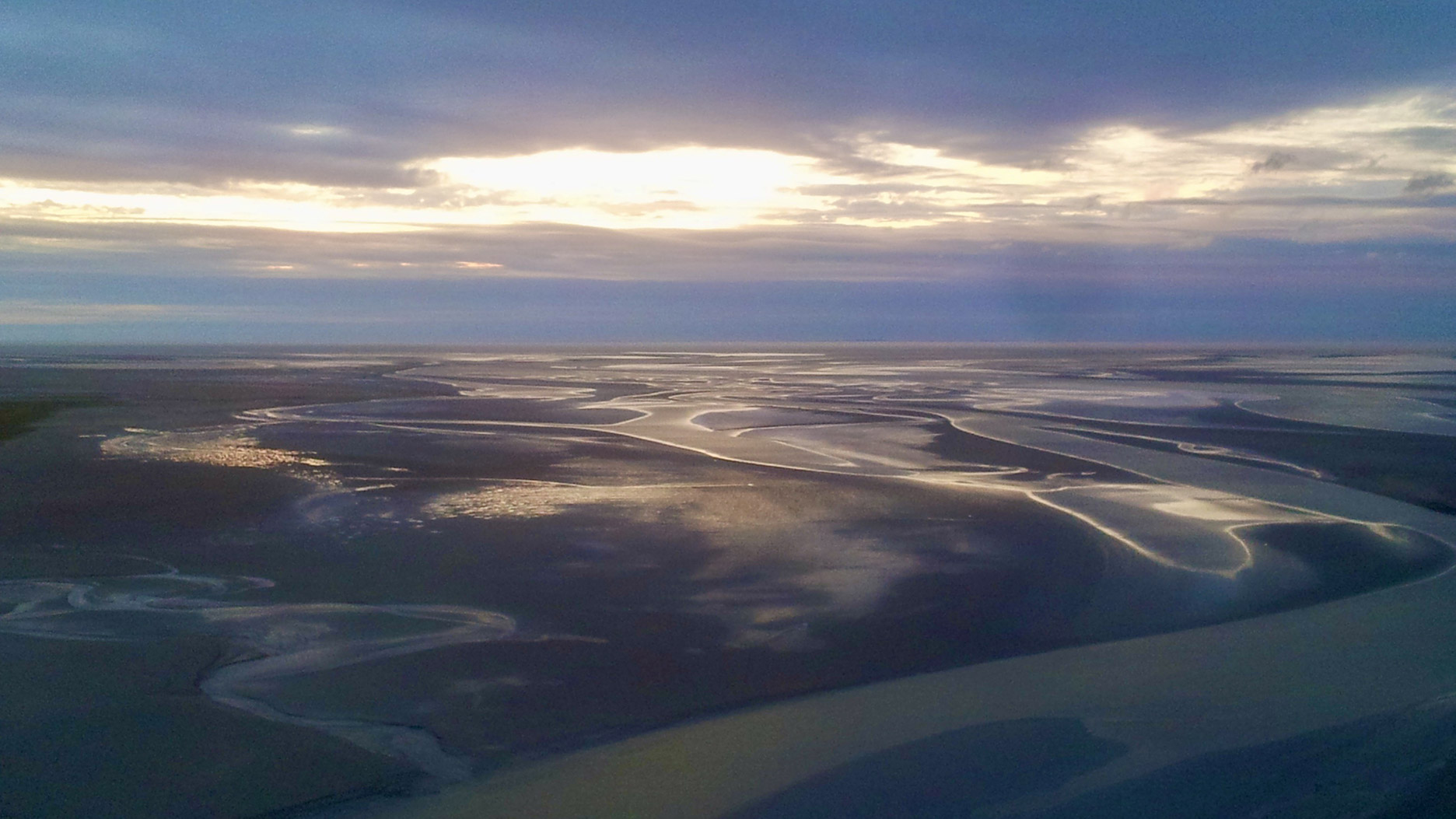
On March 21, 2015, there was what is nicknamed “the tide of the century.” The tide actually reached a coefficient of 119! The tidal range that day was 14.15 meters, the equivalent of a 4-story building!
However, contrary to what one might think, the tide of the century does not occur only once per century, but every 18 years. The next one will therefore take place on March 3, 2033.
What to do at high tide?
High tide is truly an impressive sight, even more so if it’s windy. The waves easily top the ramparts and sometimes crash onto the road along the Sillon. You must be vigilant and not get too close to the edge because waves can easily sweep over the walls.
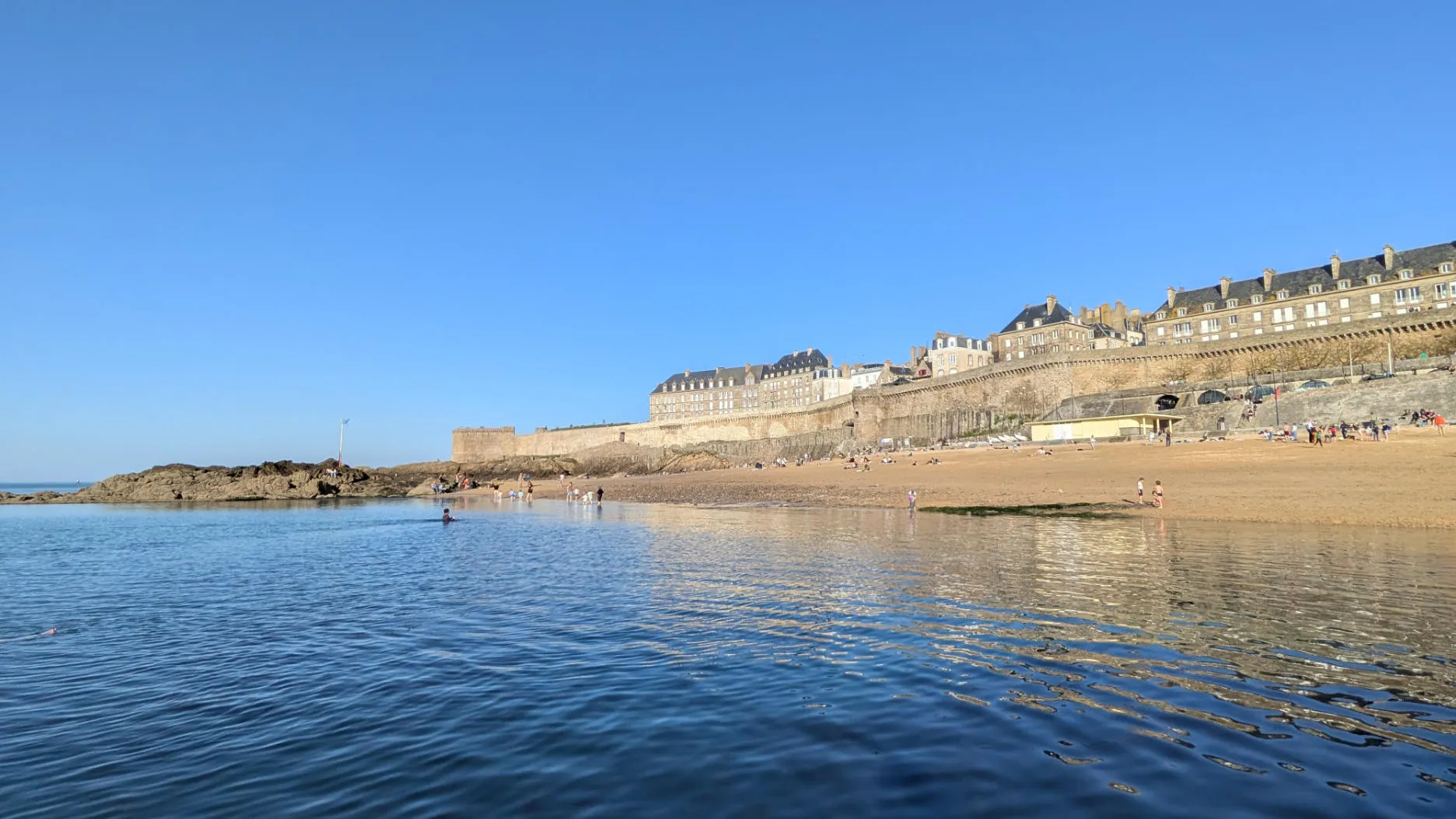
My advice? Walk up onto the ramparts of the old town to get the best vantage point of the spring tides!
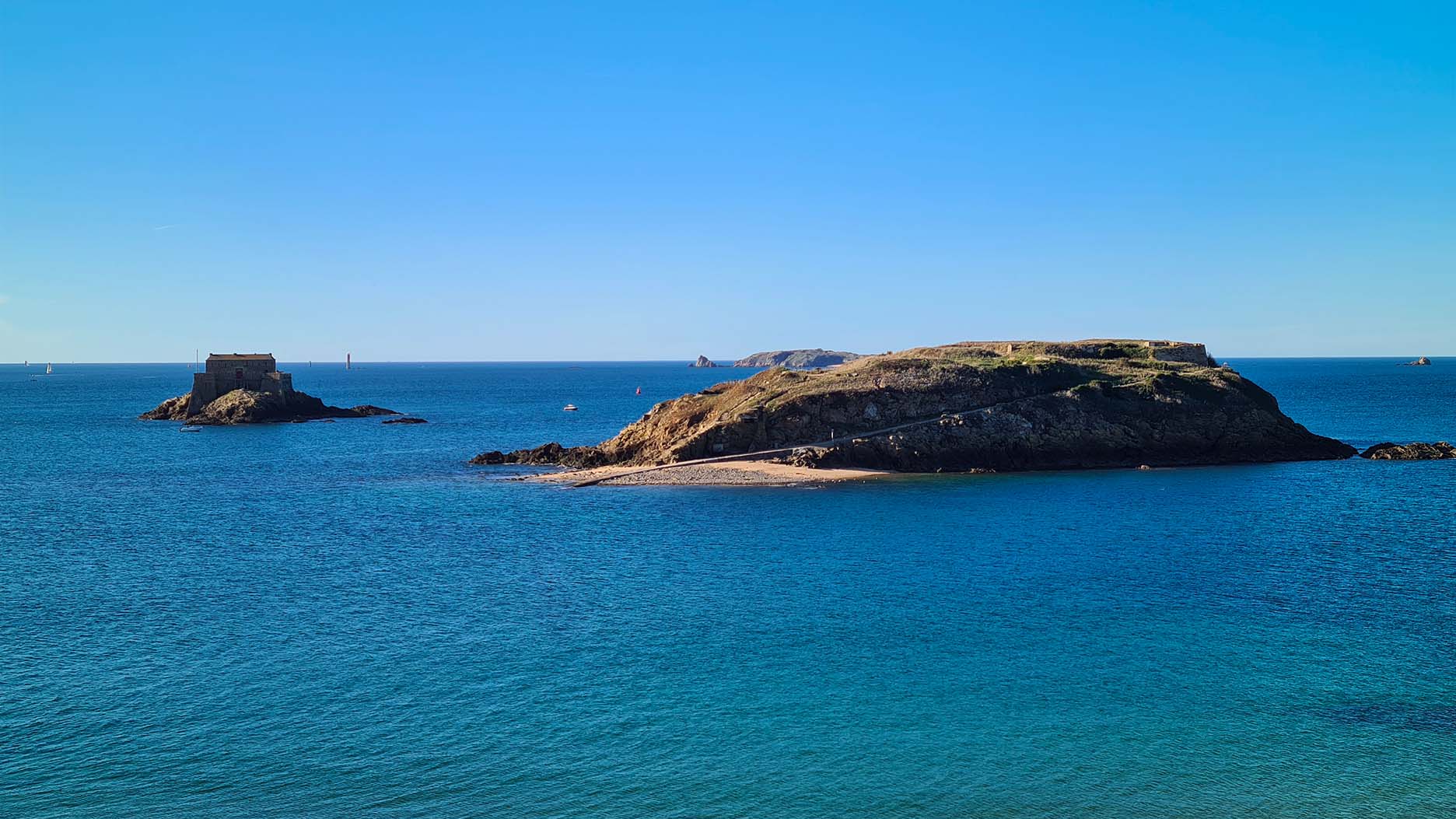
During the highest coefficients, the beaches completely disappear at high tide. It’s truly crazy to see the landscapes change so much in such a short time. Also, places like Fort National or the Grand Bé become islands.
What to do at low tide?
When the tide is low, it’s the ideal time to go shore fishing (pêche à pied). Just equip yourself with rakes and buckets to collect small crustaceans or shellfish.
In the sand, you can find cockles or razor clams, for example. But you can also scavenge in the rocks to find shrimp or small crabs.
Be careful though, you cannot take everything. There are restrictions to respect regarding the size of the shellfish you can collect. If you’re interested, you can find all the regulations here.
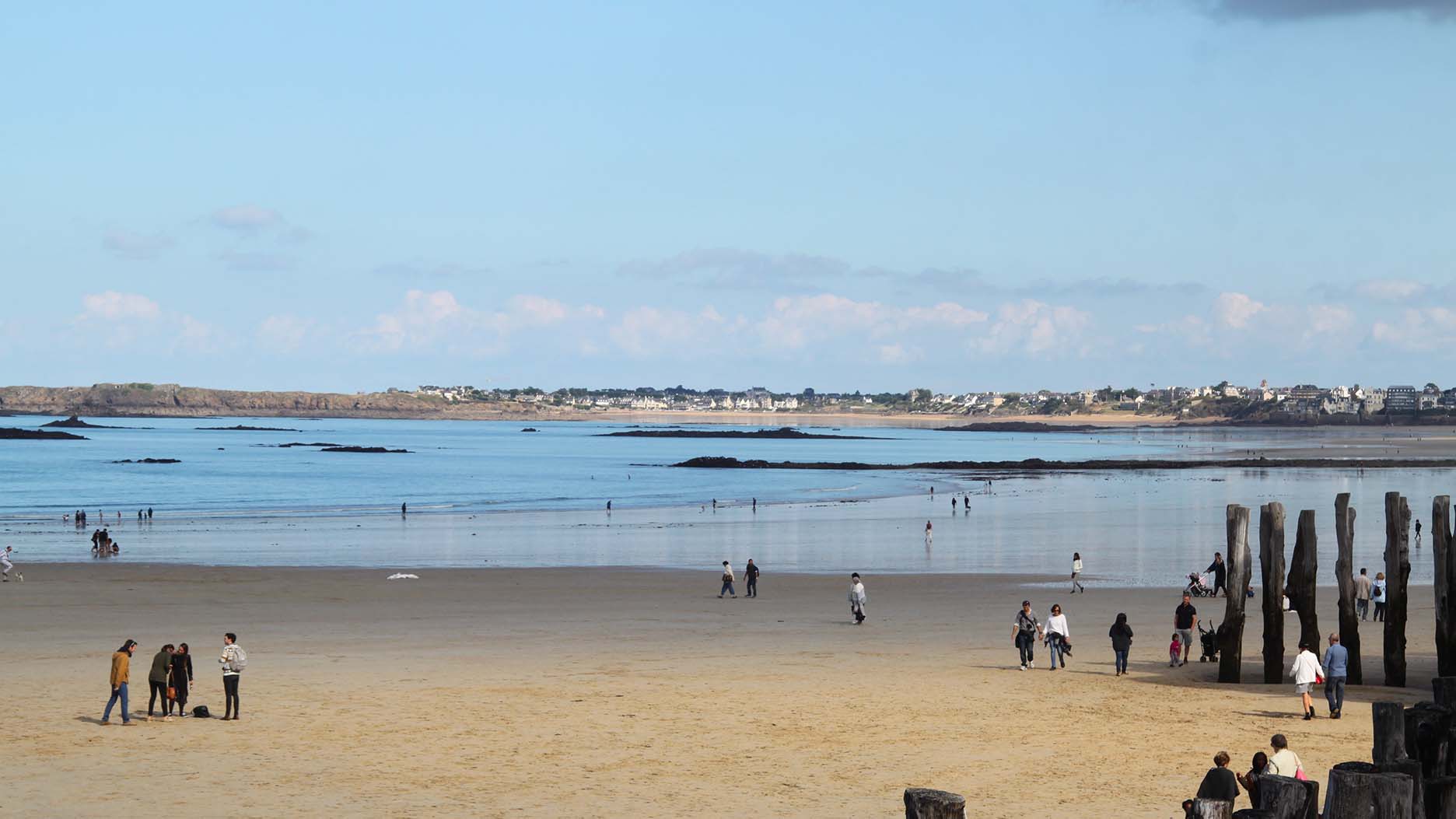
At low tide, it’s also the time to visit the Grand Bé or the Fort National, which are accessible on foot. If the tide is truly low, you can even reach the Petit Bé!
High Tides Time in Saint-Malo in 2026
Now that you’ve understood what a tide is and why it’s an exceptional phenomenon in Saint-Malo, I suppose you’re wondering when the next spring tides will occur so you can plan your future trip to Saint-Malo?
Many sites provide tide times day by day throughout the year, but I have personally chosen to list only the spring tide days, where coefficients exceed 90. For each entry, I provide the coefficient and the associated tide height.
March
- Tuesday 3: coeff. 97 (12.15m)
- Wednesday 4: coeff. 99 (12.49m)
- Thursday 5: coeff. 99 (12.55m)
- Friday 6: coeff. 94 (12.34m)
- Wednesday 18: coeff. 92 (11.83m)
- Thursday 19: coeff. 101 (12.31m)
- Friday 20: coeff. 104 (12.66m)
- Saturday 21: coeff. 104 (12.75m)
- Sunday 22: coeff. 100 (12.51m)
April
- Thursday 2: coeff. 93 (12.13m)
- Friday 3: coeff. 93 (12.15m)
- Saturday 4: coeff. 89 (11.97m)
- Thursday 16: coeff. 93 (11.87m)
- Friday 17: coeff. 101 (12.37m)
- Saturday 18: coeff. 104 (12.63m)
- Sunday 19: coeff. 104 (12.63m)
- Monday 20: coeff. 99 (12.36m)
May
- Saturday 16: coeff. 92 (11.86m)
- Sunday 17: coeff. 99 (12.39m)
- Monday 18: coeff. 99 (12.39m)
- Tuesday 19: coeff. 95 (12.12m)
June
- Monday 15: coeff. 90 (11.65m)
- Tuesday 16: coeff. 95 (12.22m)
- Wednesday 17: coeff. 94 (11.87m)
- Thursday 18: coeff. 90 (11.87m)
July
- Tuesday 14: coeff. 90 (11.91m)
- Wednesday 15: coeff. 96 (12.32m)
- Thursday 16: coeff. 98 (12.49m)
- Friday 17: coeff. 97 (12.37m)
- Saturday 18: coeff. 91 (11.82m)
August
- Wednesday 12: coeff. 93 (12.10m)
- Thursday 13: coeff. 100 (12.60m)
- Friday 14: coeff. 102 (12.79m)
- Saturday 15: coeff. 101 (12.39m)
- Sunday 16: coeff. 95 (12.15m)
- Saturday 29: coeff. 91 (12.21m)
- Sunday 30: coeff. 93 (12.34m)
- Monday 31: coeff. 93 (12.08m)
September
- Thursday 10: coeff. 95 (12.28m)
- Friday 11: coeff. 101 (12.70m)
- Saturday 12: coeff. 101 (12.79m)
- Sunday 13: coeff. 97 (12.60m)
- Monday 14: coeff. 93 (12.21m)
- Saturday 26: coeff. 92 (12.17m)
- Sunday 27: coeff. 97 (12.50m)
- Monday 28: coeff. 99 (12.60m)
- Tuesday 29: coeff. 98 (12.45m)
- Wednesday 30: coeff. 92 (12.23m)
October
- Friday 9: coeff. 91 (12.12m)
- Saturday 10: coeff. 95 (12.39m)
- Sunday 11: coeff. 95 (12.40m)
- Monday 12: coeff. 93 (12.24m)
- Sunday 25: coeff. 92 (12.09m)
- Monday 26: coeff. 98 (12.44m)
- Tuesday 27: coeff. 100 (12.55m)
- Wednesday 28: coeff. 99 (12.56m)
- Thursday 29: coeff. 93 (12.33m)
November
- Tuesday 24: coeff. 93 (12.07m)
- Wednesday 25: coeff. 97 (12.43m)
- Thursday 26: coeff. 97 (12.47m)
- Friday 27: coeff. 94 (12.35m)
December
- Thursday 24: coeff. 95 (11.95m)
- Friday 25: coeff. 99 (12.16m)
- Saturday 26: coeff. 99 (12.54m)
- Sunday 27: coeff. 96 (12.43m)



Add your own comment :)
I'll reply as soon as possible!0 Comments
Leave me a comment, i'll reply as soon as possible!